
News
Hydrogen Cars Were Supposed to Be the Future. Now Owners Are Suing Toyota
Several Mirai drivers have found themselves still paying for cars they don’t even drive anymore.

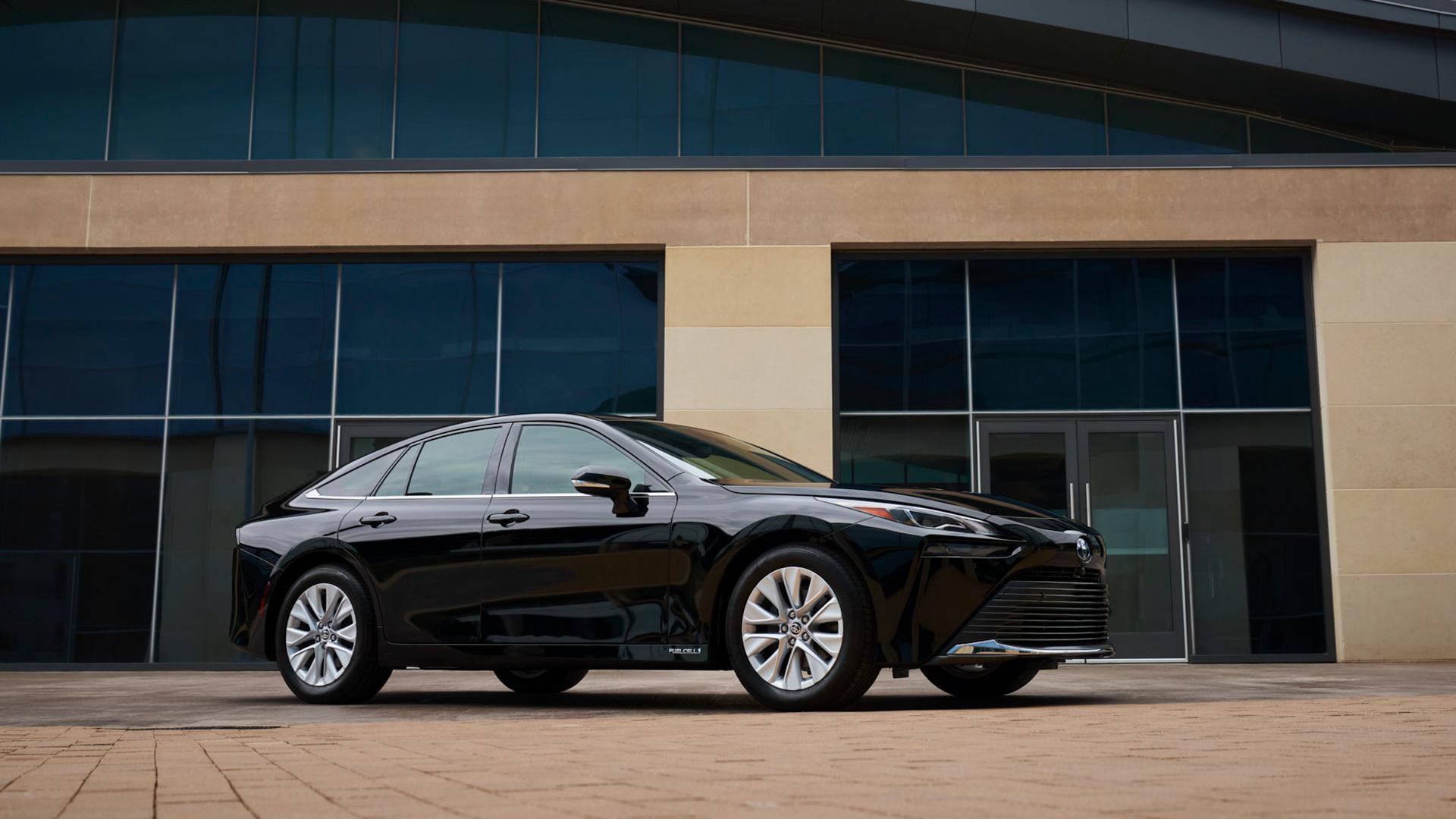
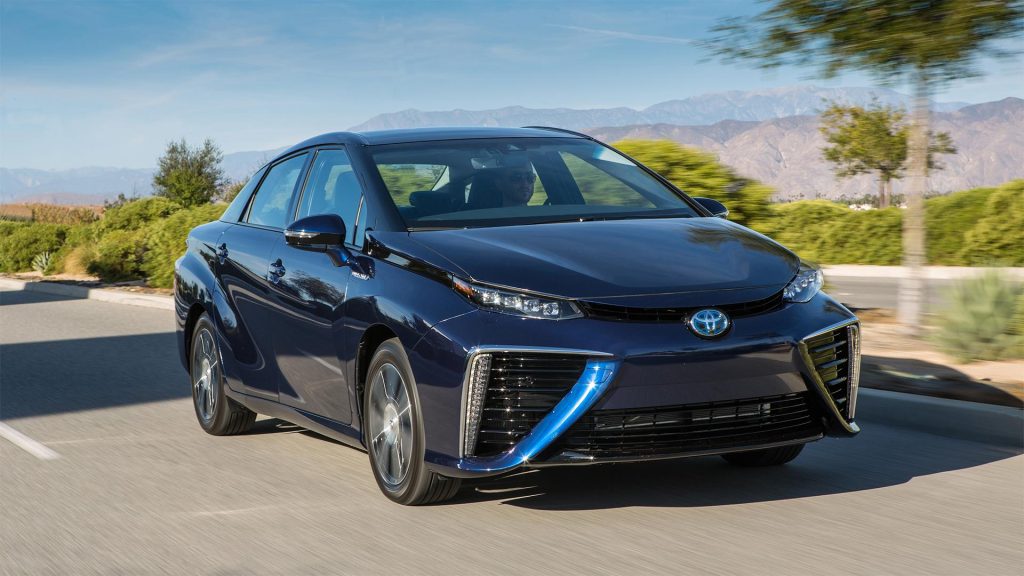
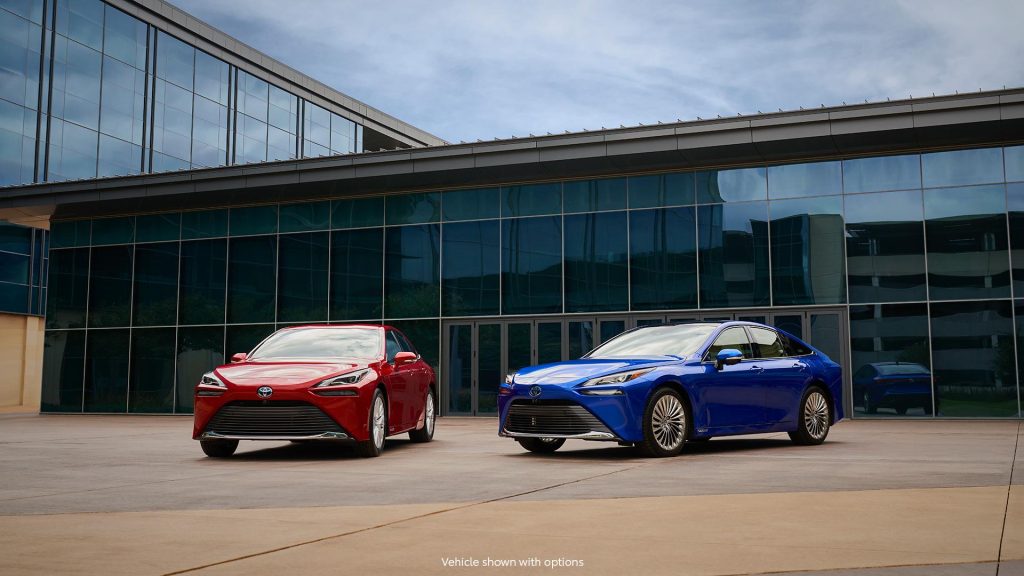
The promise of a hydrogen-fueled future has turned into a nightmare for hundreds of car owners in California. Drivers who purchased Toyota’s flagship fuel cell vehicle, the Mirai, are now suing the automaker and other key players, alleging they were misled about the viability of the hydrogen fueling network. With infrastructure collapsing and hydrogen prices surging, several Mirai drivers have found themselves still paying for cars they don’t even drive anymore.
The legal backlash comes as Toyota and other early champions of hydrogen-powered mobility face growing criticism over whether they pushed a technology too soon into an unprepared market.
A green gamble gone wrong
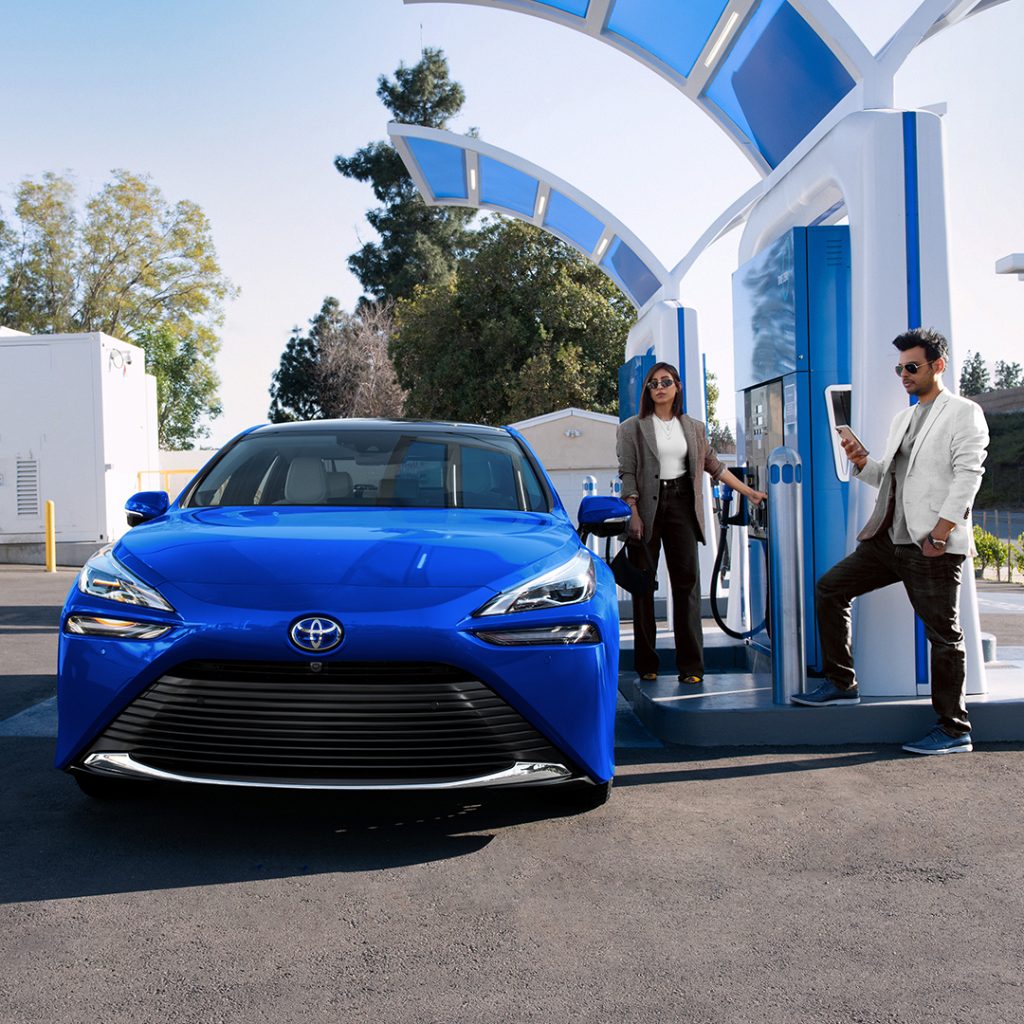
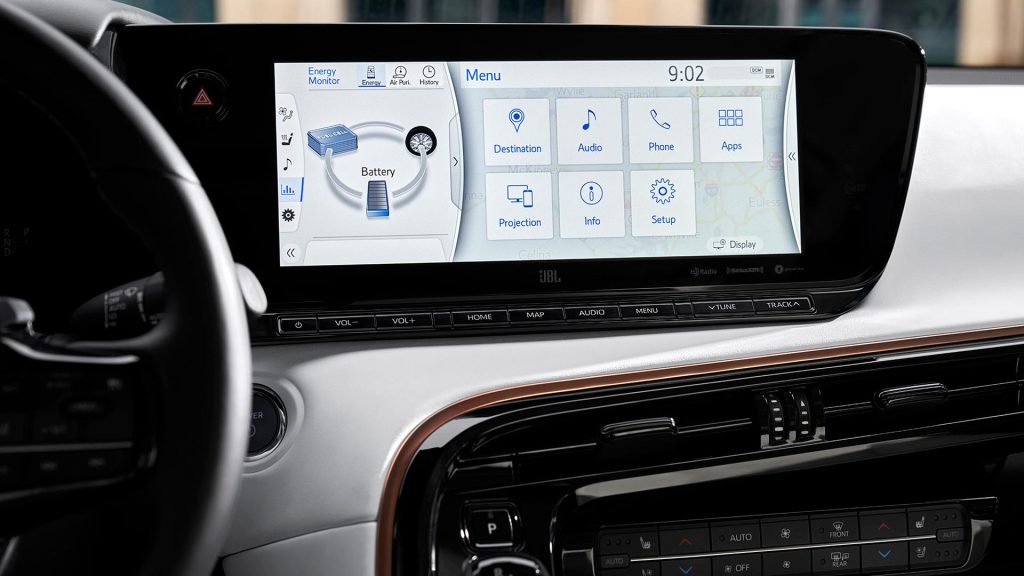
Sam D’Anna had barely driven his $75,000 Toyota Mirai in July 2022 when he realized something was wrong. His Mirai’s hydrogen tank was nearly empty. A dealership staffer at Roseville Toyota ran over to inform him that the nearest fueling station, in Citrus Heights, was offline. The next closest one was in West Sacramento, nearly 25 miles away. That should not be a problem for the Mirai due to its 402-mile EPA-estimated range, but since the car was almost empty, his range indicator showed only 22 miles.
“I’ve already signed,” D’Anna told the Sacramento Bee. He ended up driving off the lot with the air conditioning turned off to conserve fuel. “This is bad. My heart was dropping into my stomach.”
D’Anna is now one of the plaintiffs in a class action lawsuit against Toyota, hydrogen station operator FirstElement Fuel, the Hydrogen Fuel Cell Partnership, and California Governor Gavin Newsom.
The complaint, filed in Los Angeles Superior Court, accuses the defendants of fraud, negligence, and violations of consumer protection laws, among others. It alleges that Toyota knowingly sold vehicles reliant on a fueling ecosystem that was more than subpar, trapping buyers in loans for cars they can barely use.
D’Anna’s Mirai now sits unused under a tarp at his father’s house in El Dorado County. He still pays nearly $1,100 a month on the car, on top of a $1,200 monthly payment for a Ford F-150 hybrid he purchased in 2023 as a replacement.
Infrastructure that never materialized
At its peak, California’s hydrogen vision appeared ambitious but achievable. The state pledged tens of millions of dollars to build a network of fueling stations. Automakers like Toyota, Hyundai, and Honda introduced sleek zero-emission vehicles powered by compressed hydrogen gas.
The pitch was compelling. Drivers could refuel in a few minutes and emit only water vapor, a seemingly reasonable if not preferable alternative to electric vehicles, which were still gaining traction.
But the real-world rollout failed to keep pace with the marketing. California currently has about 50 hydrogen fueling stations, as per data from the Hydrogen Fuel Cell Partnership. And in 2024, Shell exited the market and shuttered multiple locations.
Even when hydrogen stations are available, they are often plagued by maintenance issues and inconsistent supply. Hydrogen prices have tripled too, and what once cost $70 to fill now runs closer to $200, the Bee noted.
In a statement to Teslarati, Patrick Peterson, auto expert at GoodCar.com, said, “Toyota and Hyundai were among the first to push hydrogen forward, and their vehicles are genuinely impressive. But the issue isn’t the tech, it’s everything around it. The infrastructure just isn’t ready. Most drivers aren’t willing to gamble on whether they’ll find a working hydrogen station or deal with issues like frozen fuel nozzles.”
Peterson said hydrogen’s biggest flaw is its lack of consistency. “EVs, for all their early bumps, have earned consumer trust. You’ve got widespread charging access, predictable performance, and fewer question marks. Hydrogen hasn’t hit that point yet. One bad fill-up can sour someone’s view of the entire platform.”
The price of faith in an idea
Ricky Yap of West Sacramento bought his 2016 Toyota Mirai in 2020 from Roseville Toyota. The vehicle, priced at $16,000, came with a prepaid fuel card worth the same amount. Initially, the fueling experience was “a bit cumbersome and confusing but not so bad,” Yap told the Bee. Then things got a lot worse.
Shell’s closure of hydrogen stations led to long lines at the only remaining site in Sacramento. Hydrogen prices soared, and fueling, thanks to long lines at the station, ended up taking as long as four hours. Yap eventually stopped using the car altogether. He canceled the insurance and registered it as a non-operational vehicle.
“I used it very seldom just because of the fact I don’t like the stress,” he said. “I don’t want to pay insurance on a car that I can’t use every day.”
The lawsuit claims that Toyota and its partners misled consumers about the viability of the hydrogen ecosystem. Many owners were driven by environmental motivations, enticed by generous incentives and Toyota’s reputation. But the resale value of hydrogen cars has collapsed.
One plaintiff, Parita Shah, a physician assistant from Sacramento County, told the Bee that her dealership offered her only $2,000 for her $36,000 Mirai after stations near her home shut down just months after purchase.
Consumers’ legal action turns up the pressure
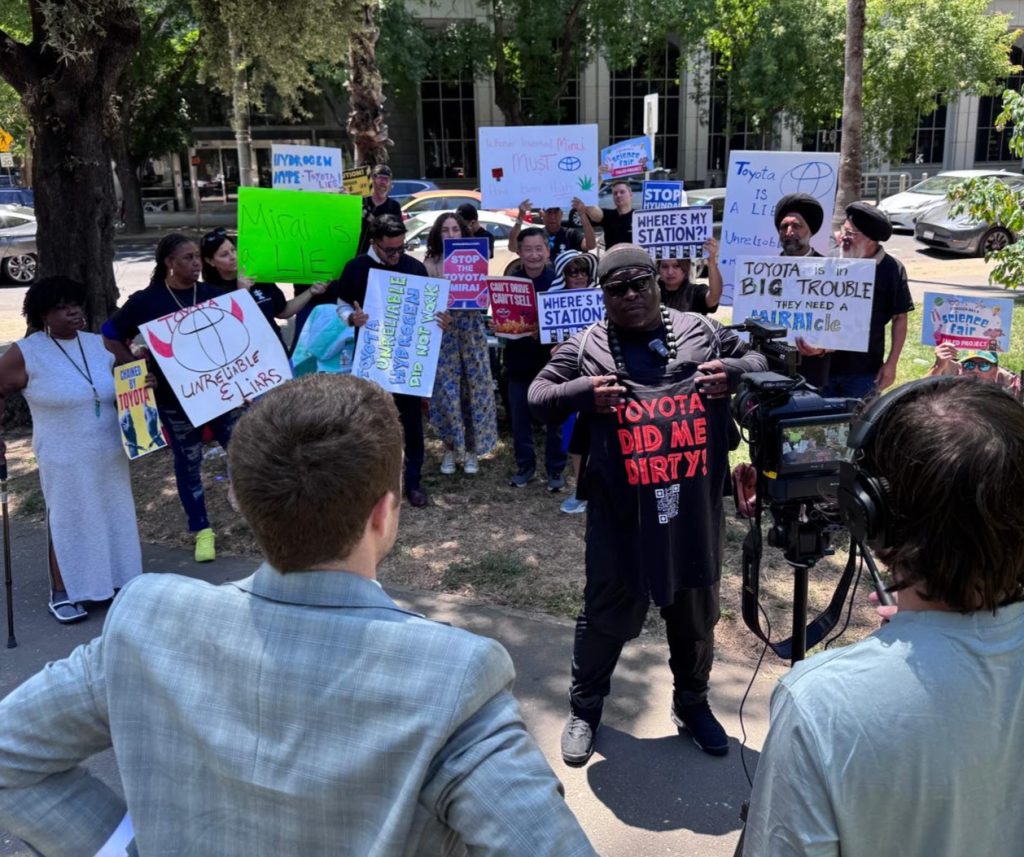
In July 2025, frustrated Mirai owners organized a demonstration in Los Angeles to draw attention to what they called a broken promise. Protesters held signs reading “Mirai is a Lie,” “Toyota Made a Big Mistake,” and “Mirai Left Me Dry.”
Jason Ingber, attorney for D’Anna, Yap, and several other Mirai owners, spoke at the event. He accused the automaker of knowingly selling a product into a failing infrastructure.
“These are brands they thought they could rely on, and they go in, and they’re told ‘This is the next best thing!’ and it turns out, it’s not,” Ingber told KTLA 5.
Ingber also shared a comment to Teslarati: “Toyota is still selling this car. It makes no damn sense. No fuel for drivers. The car doesn’t work as advertised,” he said.
Automakers offer limited relief
Toyota has acknowledged the fueling issues and confirmed that it stopped selling new Mirais in the Sacramento area over a year ago. In a statement to the Bee, the company said it is “working with affected Mirai customers to identify ways to help them on a case-by-case basis.”
Rental cars and service credits are among the remedies offered, but plaintiffs argued that these are not sustainable solutions. Shah stated that the rental process is quite cumbersome. In her case, she has been relying on a series of short-term rental cars provided by Toyota, which she must exchange every 25 days. She continues to make $326 monthly payments on he Mirai, which she cannot use.
Hyundai, whose Nexo SUV also relies on hydrogen fuel, has offered similar 21-day rental options. The company also issued a recall for about 1,600 Nexo SUVs in late 2024 due to possible hydrogen leaks and potential fires, warning owners to park their cars outside until repairs were made.
A shrinking market
Since 2012, just under 18,000 hydrogen-powered vehicles have been sold in California. Toyota accounts for the vast majority of them, but the pace of adoption has slowed dramatically. For comparison, California now has millions of battery electric and hybrid vehicles on the road.
Policies have also seen a notable shift. California initially committed about $20 million annually to develop hydrogen fueling infrastructure. That number has since dropped to $15 million, and it’s no longer limited to light-duty stations.
Josh Newman, a former state senator and current Mirai owner, told the Bee that government support has fallen short. “I blame the state. We were supposed to have 200 stations up and running for light-duty hydrogen vehicles by 2025,” he said.
In a statement to Teslarati, Alex Black, Chief Marketing Officer at EpicVIN, said the problem now extends beyond infrastructure. “Yes, hydrogen cars do have an image problem right now,” he said.
“Many just do not have confidence in the technology, largely because they have not seen very many out there, there are not many places to fill them up, and have heard about previous recall problems or problems. That tends to stick with them.”
Black added that public sentiment plays a powerful role. “When public sentiment turns, all activity comes to an end: reduced demand, reduced investment, and fewer stations are built. It’s a vicious circle.”
A clean tech cautionary tale
Toyota’s investment in hydrogen was bold and well-intentioned. The technology offers apparent advantages, especially for long-haul or commercial use cases where quick refueling and long range are critical. But for personal mobility, hydrogen’s future remains uncertain, if not questionable, today.
The technology may still find its place in transportation. But for now, at least, consumer trust in hydrogen vehicles has been undermined, and infrastructure is still unreliable for those who have opted to become early adopters of the technology. For those who bought into the vision early, the experience has turned into a cautionary tale.
“People want something they can rely upon,” said Black in his statement to Teslarati. “And they want it to be easy. Hydrogen is not quite there yet.”
For Mirai owners still making monthly payments on cars they cannot drive, the idea of a hydrogen powered future is very sobering.







News
SpaceX successfully launches 100th Starlink mission of 2025
With 100 Starlink missions completed for 2025, space enthusiasts have noted that SpaceX has successfully launched 2,554 Starlink satellites so far this year.
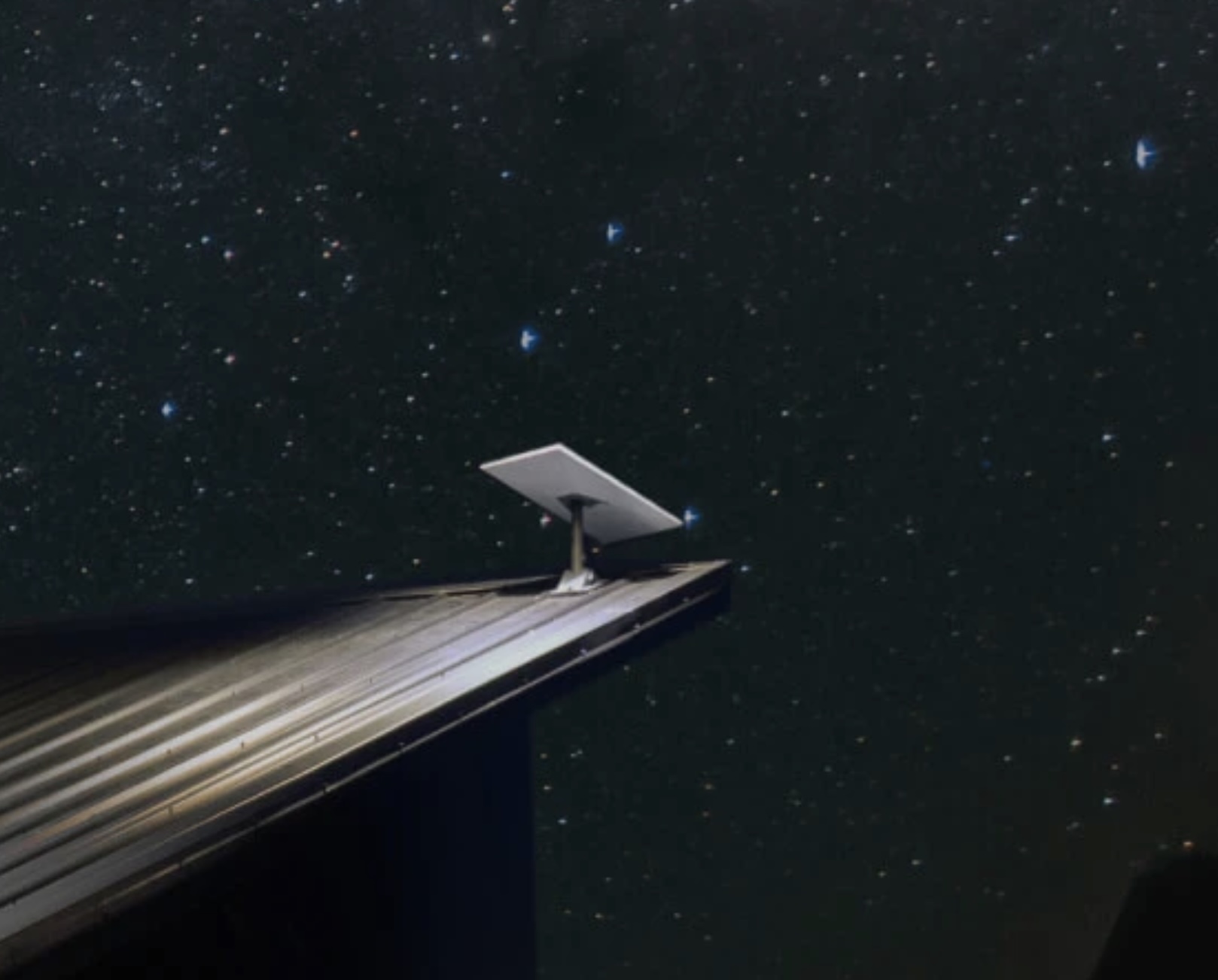
SpaceX achieved its 100th Starlink mission of the year on Friday, October 31, marking another milestone for 2025.
A Falcon 9 rocket carrying 28 Starlink broadband satellites successfully lifted off from Vandenberg Space Force Base in California at 4:41 p.m. ET, carrying another 28 Starlink satellites to Low Earth Orbit (LEO).
Falcon 9 booster’s 29th flight
Roughly 8.5 minutes after liftoff, the Falcon 9’s first stage touched down on the drone ship Of Course I Still Love You in the Pacific Ocean. This marked the booster’s 29th flight, which is approaching SpaceX’s reuse record of 31 missions.
This latest mission adds to SpaceX’s impressive 138 Falcon 9 launches in 2025, 99 of which were dedicated to Starlink, according to Space.com. The company’s focus on reusing boosters has enabled this breakneck pace, with multiple launches each week supporting both Starlink’s expansion and external customers.
Starlink’s network continues massive global expansion
Starlink remains the largest active satellite constellation in history, with more than 10,000 satellites launched, nearly 8,800 of which are currently active. SpaceX recently achieved Starlink’s 10,000-satellite milestone. With 100 Starlink missions completed for 2025, space enthusiasts have noted that SpaceX has successfully launched 2,554 Starlink satellites so far this year.
Starlink, which provides high-speed, low-latency internet connectivity even to the world’s most remote areas, has been proven to be life-changing technology for people across the globe. The service is currently operational in about 150 countries, and it currently has over 5 million subscribers worldwide. From this number, 2.7 million joined over the past year.
News
Tesla shares updated timeframe for Cybertruck FSD V14 release
The Cybertruck was expected to receive FSD V14 before the end of the month, but Tesla was not able to meet the target.
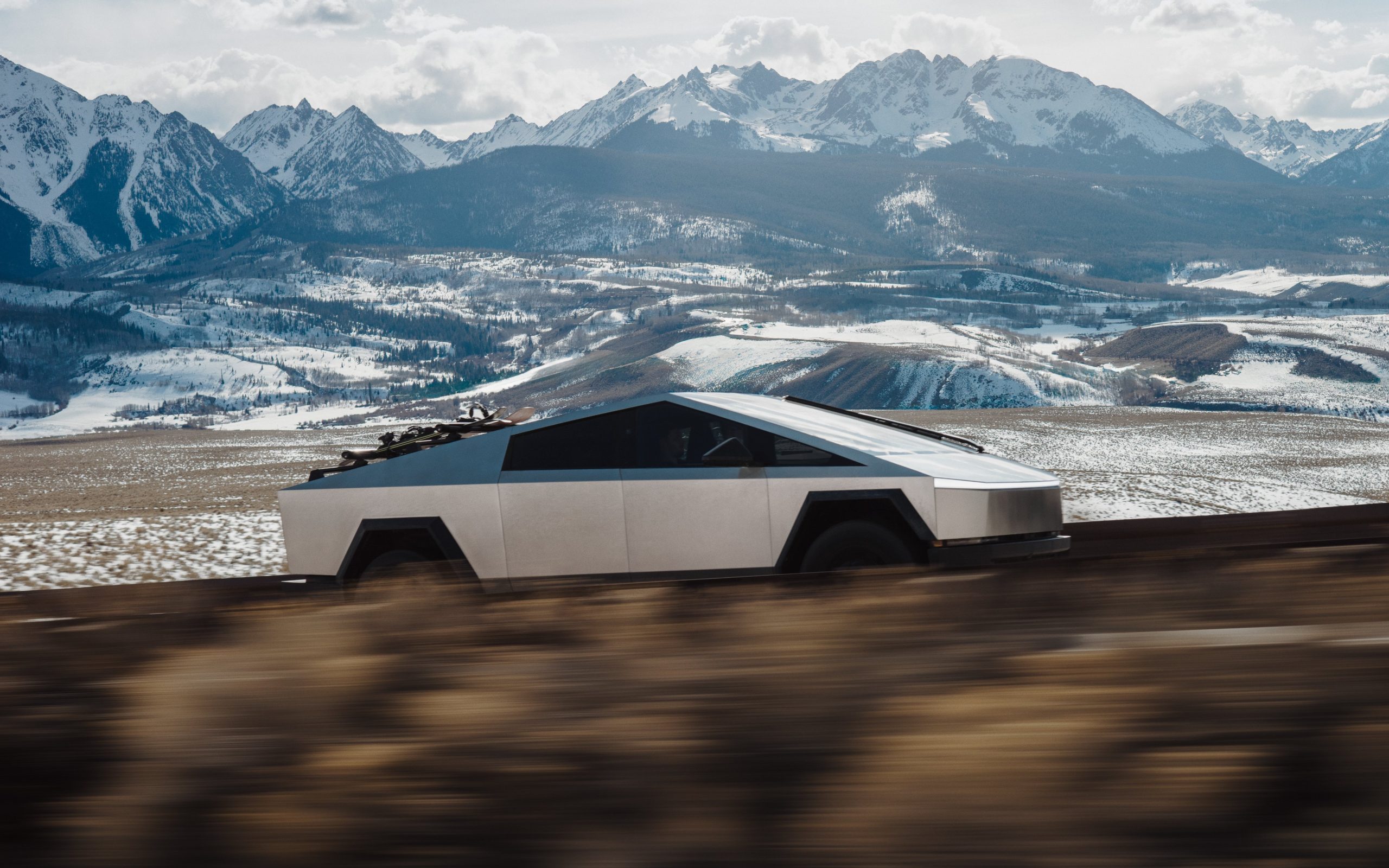
Tesla’s Full Self-Driving (FSD) V14 update for the Cybertruck could arrive this weekend, as per recent comments from Director of Autopilot Software and VP of AI Ashok Elluswamy.
The Cybertruck was expected to receive FSD V14 before the end of the month, but Tesla was not able to meet the target.
Cybertruck FSD V14
Considering the extended wait for FSD V14, it was no surprise that several Cybertruck owners were asking for updates about the system’s rollout to the all-electric pickup truck on Friday. These included the official Cybertruck X account, which responded to Elluswamy’s end of month estimate with “I only see trick. Where is my treat.”
This prompted a response from the AI executive, who replied with, “Sorry, pushing for early access Cyber release over the weekend.” This means that if all goes well, Cybertruck owners would be able to experience FSD V14 very soon. Some, however, are wondering if Tesla would go straight to V14.2 for the Cybertruck’s FSD V14 update, or if the vehicle will receive V14.1 first.
Tesla pushes to unify FSD experience across its lineup
The upcoming Cybertruck rollout represents the next step in Tesla’s efforts to roll out FSD capabilities across all of its vehicles. FSD V14 is a notable step forward for the company’s AI-driven self driving system, with features like Mad Max mode getting positive reviews from longtime Full Self Driving testers.
For the Cybertruck, the FSD V14 update would mark one of its first major over-the-air upgrades for the vehicle. Likely due to its size, the Cybertruck tends to receive FSD updates later than the S3XY lineup, which is quite surprising considering that the all-electric pickup truck is a premium-priced vehicle that is home to some of Tesla’s most advanced technologies.
News
“Tesla Ride” program lets riders experience FSD and Grok AI in real-world demos
The initiative aims to bring supervised Full Self-Driving demos and Grok AI-guided experiences to consumers in real world trips.
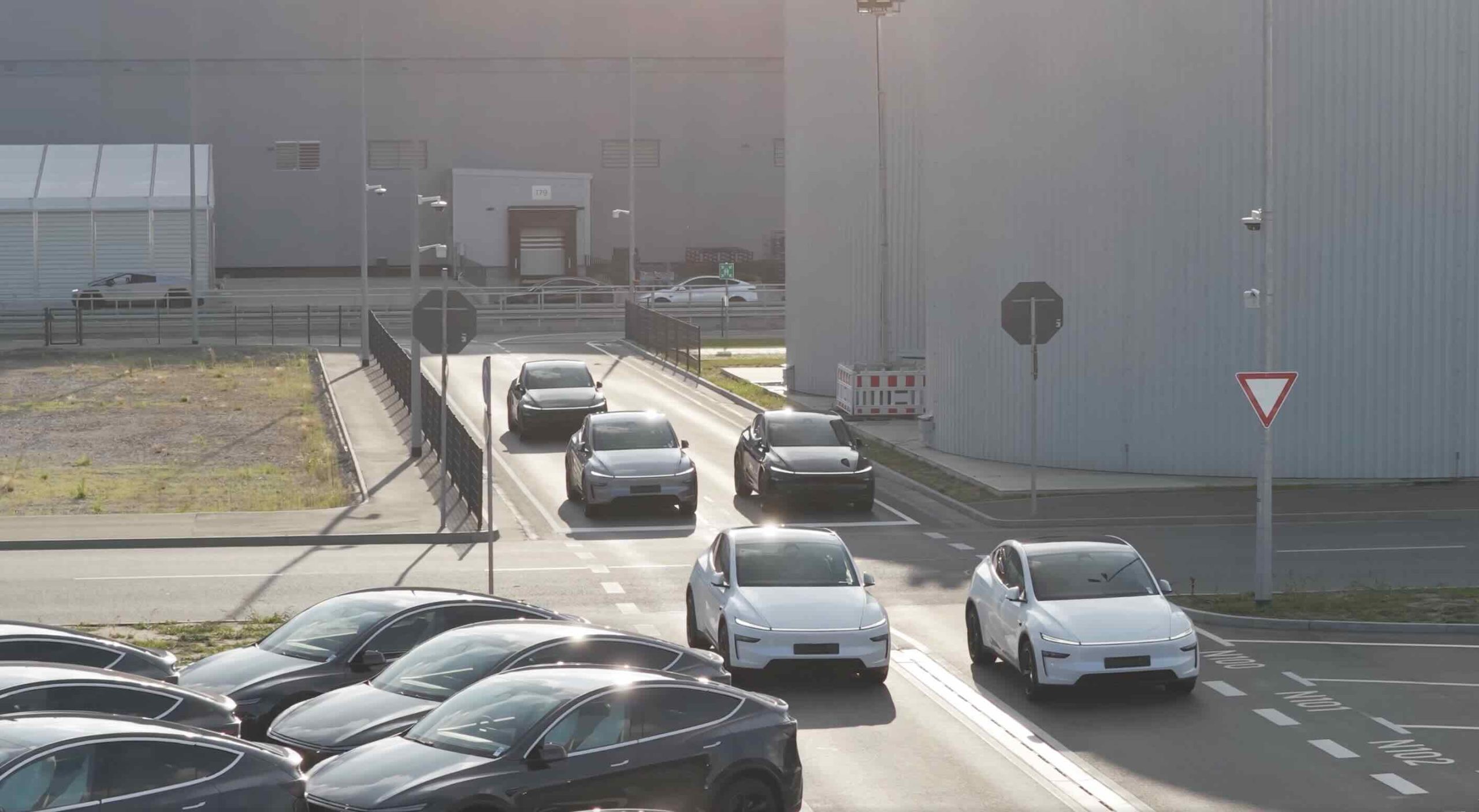
Tesla has launched a new service designed to make its Full Self-Driving (FSD) technology familiar to all commuters.
Dubbed the “Tesla Ride” program, the initiative aims to bring supervised Full Self-Driving demos and Grok AI-guided experiences to consumers in real world trips.
How Tesla Ride Works
As per the official Tesla Ride website, the session will allow participants to sit in the driver’s seat while a Tesla Advisor rides shotgun as co-pilot. The Tesla Advisor then guides riders through the company’s latest supervised FSD features, comfort settings, and in-car entertainment. Participants would also be able to interact with Grok AI in the vehicles. Grok will be capable of answering questions during the ride, and it will even tell stories along the way.
Tesla noted, however, that Tesla Ride sessions are capped at 45 minutes each, and it requires participants to have a valid driver’s license and insurance. Interested participants are also advised to call beforehand so they can schedule their Tesla Rides.
Marketing push and reach
The Tesla Ride program runs across several markets from October into November, and in some locations into the end of December 2025. Participating states are numerous, from Michigan to Virginia to Illiois, Nevada, and California, among others. A look at the official webpage for Tesla Ride shows that the company is still taking a very cautious approach with the program, with disclaimers clearly stating that FSD Supervised does not make Teslas autonomous just yet.
Tesla’s focus on safety with FSD was highlighted recently by Senior Vice President for Automotive Tom Zhu. “Elon said it in 2021: “For self-driving, even if the road is painted completely wrong and a UFO lands in the middle of the road, the car still cannot crash and still needs to do the right thing.
“The prime directive for the autopilot system is: Don’t crash. That really overrides everything. No matter what the lines say or how the road is done, the thing that needs to happen is minimizing the probability of impact while getting you to your destination conveniently and comfortably,” the executive stated.

SpaceX successfully launches 100th Starlink mission of 2025

Tesla shares updated timeframe for Cybertruck FSD V14 release

“Tesla Ride” program lets riders experience FSD and Grok AI in real-world demos


-
 News2 weeks ago
Elon Musk confirms Tesla FSD V14.2 will see widespread rollout
-
 News2 weeks ago
Tesla might be doing away with a long-included feature with its vehicles
-
 News2 weeks ago
Tesla updates fans on its plans for the Roadster
-
 Elon Musk2 weeks ago
Elon Musk: Grok 5 now has a 10% chance of becoming world’s first AGI
-
 News2 weeks ago
Tesla is ramping up its hiring for the Cybercab production team
-
 News2 weeks ago
Multiple Tesla Cybercab units spotted at Giga Texas crash test facility
-
 Elon Musk2 weeks ago
Tesla will launch driverless rides in Las Vegas, but not where you think
-
 News2 weeks ago
Tesla rolled out a new feature with FSD v14 to fix a major complaint