
News
Tesla vs The Big Three – An uneven contest

Elon Musk has said many times that his ultimate goal is to increase the adoption of electric vehicles, a goal that’s advanced with every EV that rolls off a dealer’s lot, even if it’s not a Tesla. “The biggest impact that Tesla will have is not the cars that we make ourselves, but the fact that we show that you can make compelling electric cars that people want to buy,” he said in Revenge of the Electric Car.
When it comes to making compelling electric cars, the company has succeeded spectacularly. But when it comes to inspiring the industry leaders to sell their own EVs in substantial numbers, that isn’t happening. Spokesmen for the major automakers (especially when speaking to the EV media) say things like, “the future is electric,” and “we intend to stay at the forefront of technology,” but when it comes to action, the playbook is: sell just enough EVs to satisfy government regulators, while keeping the focus on profitable trucks and SUVs.
A recent article in CleanTechnica takes a look at the lineup of plug-in models offered by the Big Three (Ford, GM, and Fiat Chrysler). The current roster consists of 3 pure electric vehicles (EVs) and 5 plug-in hybrids (PHEVs). Of the 3 EVs, only one, the Chevy Bolt, is truly an attractive option. The Fiat 500e is a compliance car that’s only available in two states, and Fiat Chrysler CEO Sergio Marchionne has asked the public not to buy it. The Ford Focus EV was introduced in 2011, and not updated until 2015 – it sold a grand total of 901 units in 2016.
However, the handwriting is on the garage wall. Plug-in vehicle sales have increased every month for the last 20 months, Tesla’s Model 3 has accumulated somewhere around 400,000 advance orders sight unseen, and battery prices are falling rapidly – several industry observers have predicted that EVs will reach cost parity with legacy vehicles in about 5 years. So, is Detroit raising its game, and preparing to expand its portfolio of electric models?

Fiat 500e [Credit: Car and Driver]
Well, sort of. In January, Ford announced that it plans to introduce 13 new electrified vehicles over the next five years. However, it offered specifics for only 7, and only one of these is an electric vehicle for the US market: “an all-new fully electric small SUV, coming by 2020, engineered to deliver an estimated range of at least 300 miles.” The other 6 include hybrids and an electric commercial van to be sold in Europe.
Ford representatives have made it clear that the company will be taking a gradual, go-slow approach to electrification. CleanTechnica’s Loren McDonald spoke with Brett Hinds, Ford’s Chief Engineer of Electrified Powertrain Systems, in early January, and was left with the impression that the automaker feels little urgency about upgrading its electric vehicles. When McDonald mentioned that industry experts expect EV ranges to increase to 300 miles in 5-7 years, and that battery charging rates are also expected to improve, he was told that “Ford just doesn’t see it that way.” (Yes, this directly contradicts Ford’s official announcement quoted above – the major automakers often make contradictory statements about their electrification plans.)
More recently, Ford replaced CEO Mark Fields with Jim Hackett, the head of its Smart Mobility division, a move that is believed to signal more emphasis on electric and autonomous vehicles. Ford Executive Chairman Bill Ford confirmed this, telling Bloomberg in an interview that the CEO switch “is about EVs, and it’s about AVs [autonomous vehicles].” However, he seemed to acknowledge that the focus would remain on short-term profits (read: trucks). “Wherever we go, we have to make sure that the returns are great for our shareholders,” said Ford. When asked if he could foresee a future in which EVs would generate the kind of margins the company makes on the F-150 pickup, he thought silently for a moment, then changed the subject.
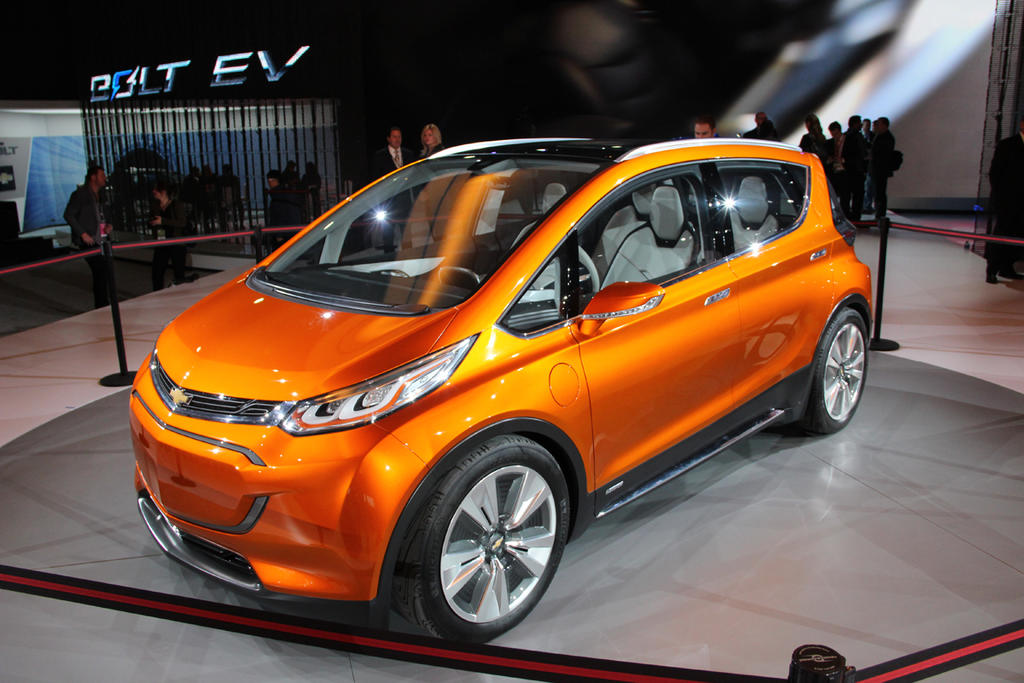
The voltage level is much higher over at GM, where the new Chevy Bolt has been earning rave reviews, and making respectable sales – it moved 1,566 units in May, #5 in the US plug-in ranking. However, the rollout has been slow – the Bolt went on sale in December 2016, but it still isn’t available in all 50 states.
“I wouldn’t necessarily call it a slow rollout; it was a phased rollout,” Chevrolet spokesman Jim Cain told Bloomberg. “In terms of sales, I think we’re right on plan.” And that’s kind of the point. As Elon Musk and others have pointed out, GM doesn’t seem to have any desire to sell the Bolt in mass-market quantities – it’s likely to limit production to 25,000 or so per year.
Ironically, the considerable media buzz around the Bolt seemed to disappear as soon as it actually went on the market. “The little car hasn’t captured any of Tesla’s Silicon Valley street cred, and it hasn’t whipped up any of the cultish following that still benefits the Toyota Prius,” writes Bloomberg’s Kyle Stock.
GM’s future electrification plans are vague. In February, GM CEO Mary Barra told CNET’s RoadShow that the Bolt platform will be the basis for a range of future EVs, but no details have been forthcoming.
And then there is Fiat Chrysler, the only automaker that has always been honest about its lack of interest in EVs. CEO Sergio Marchionne has said that the company loses about $14,000 on each unit of its Fiat 500e, and famously asked consumers not to buy it. The little electric runabout has garnered excellent reviews, can be leased for as little as $100 a month, and has been selling a surprising 600 or 700 per month, despite being available only in California and Oregon. Chrysler recently launched a plug-in hybrid version of its extremely popular Pacifica minivan, but it’s too early to tell how it will do.
One glaring problem is that the Big Three continue to put out lackluster designs for their electric cars. Diarmuid O’Connell, Tesla’s vice president of business development had said, “In essence, they’ve delivered little more than appliances. Now, appliances are useful. But… they tend to be unemotional.” Tesla’s CEO, Elon Musk, goes one step further, pointing out that an electric car shouldn’t “feel like a weird-mobile.”
On the other hand, the issue with the majors’ plug-in models has never been quality – almost all who’ve driven them, including this writer, agree that they are excellent automobiles. What remains puzzling is the companies’ willingness to market them. The automakers do almost no advertising for them, and most (not all) of their dealers do their utmost to steer customers away from them. Meanwhile, the companies continue to lobby to have fuel economy and emissions standards watered down.
A recent article in Plug-in Future, “How the Major Global Automobile Manufacturers Fell Asleep at the Wheel” notes a cling-to-the-past cultural dynamic. “Part of it comes down to mentality and culture. Senior executives in automobile companies tend to be [oftentimes] male mechanical engineers who… [enjoy] tinkering around with old cars and tractors. It’s what they do; it’s what they love and their careers have been about perfecting the highly complex internal combustion engine. And now you are telling them to get rid of that engine and replace it with a simple electric drive and a battery to power it. No wonder they are resistant… Changing such a culture is very difficult.”
So what gives? Is it short-sightedness? Fear of the future? Plain old stupidity? Not likely. Sure, they might be stuck in their ways but we’re talking about highly informed veterans of the auto business, who have access to all the same articles, statistics and reports that you and I do (much more, actually).
What’s really happening here is a phenomenon called The Innovator’s Dilemma (the title of a 1997 book by Clayton Christensen, and yes, I believe most auto industry execs have read it). Incumbent corporations can’t keep up with disruptive technological changes, because their shareholders demand quarterly profits. They can experiment with new technologies, but they can’t pursue them whole-heartedly, because that would mean cannibalizing their proven profit centers (to sell an electric car, you have to explain why it’s better than a gas car). Once a new technology improves to the point that it can offer similar capabilities (range, charging time) to the old at a similar price, the incumbents’ market can disappear surprisingly quickly – remember Kodak, Blockbuster, and Blackberry.
by Charles Morris
This story was originally published on EVANNEX





Elon Musk
Elon Musk just roasted Sam Altman’s Tesla Roadster cancellation
“And you forgot to mention act 4, where this issue was fixed and you received a refund within 24 hours.
But that is in your nature.”

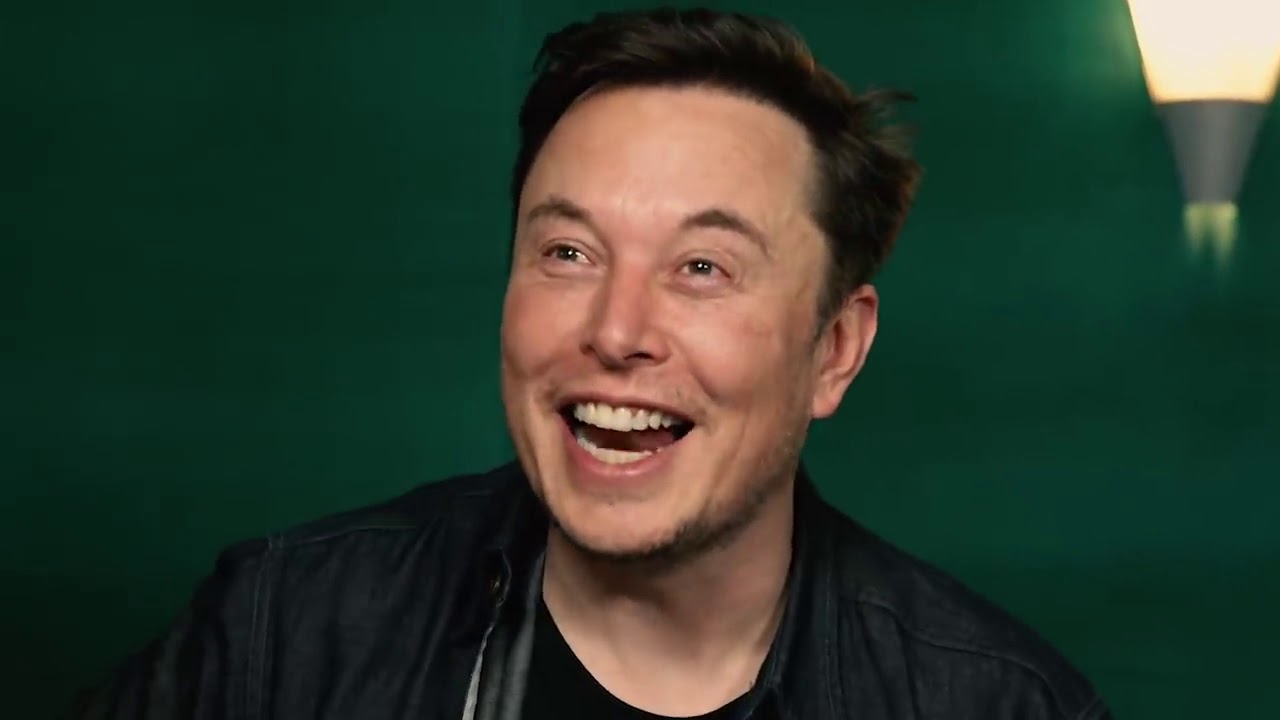
Elon Musk has responded to OpenAI CEO Sam Altman’s decision to cancel his Tesla Roadster reservation, which he revealed on X on Thursday.
We reported on Altman’s decision, which he called “A tale in three acts,” showing his confirmation email from Tesla back in 2018, an email requesting his $50,000 deposit back after canceling his order, and a notification from Google that the email he sent was not delivered.
A tale in three acts: pic.twitter.com/ClRZBgT24g
— Sam Altman (@sama) October 30, 2025
Musk did not take too kindly to the post from his tech rival, first referencing his position with OpenAI, and then confirming that Altman received his reservation deposit back within 24 hours:
And you forgot to mention act 4, where this issue was fixed and you received a refund within 24 hours.
But that is in your nature.
— Elon Musk (@elonmusk) November 1, 2025
OpenAI was started by Musk, Altman, and others back in 2015, and was geared toward being a non-profit company that would develop safe artificial intelligence that would be accessible to people.
However, Musk and Altman did not agree on the future of the company. Musk left, and Altman turned OpenAI into a for-profit company. This led to a variety of lawsuits and some very public spats between the two. Musk has called out Altman for turning the company into a for-profit, which has been his main source of criticism for his former colleague.
The Roadster has been hanging in the balance of Tesla’s manufacturing plans for seven years, but the company has made more indications that it will be unveiled later this year and will have some insane technologies.
Musk said on Friday in an episode of the Joe Rogan Experience Podcast that Tesla is “getting close to demonstrating the prototype.”
He said:
“Whether it’s good or bad, it will be unforgettable. My friend Peter Thiel once reflected that the future was supposed to have flying cars, but we don’t have flying cars. I think if Peter wants a flying car, he should be able to buy one…I think it has a shot at being the most memorable product unveil ever. [It will be unveiled] hopefully before the end of the year. You know, we need to make sure that it works. This is some crazy technology in this car. Let’s just put it this way: if you took all the James Bond cars and combined them, it’s crazier than that.”
Musk hinted that the vehicle could fly and would have “crazy technology” that would put James Bond’s vehicles to shame. It will be interesting to see what Tesla will unveil when the event happens and if it can come through on this mind-blowing teaser.
News
SpaceX successfully launches 100th Starlink mission of 2025
With 100 Starlink missions completed for 2025, space enthusiasts have noted that SpaceX has successfully launched 2,554 Starlink satellites so far this year.

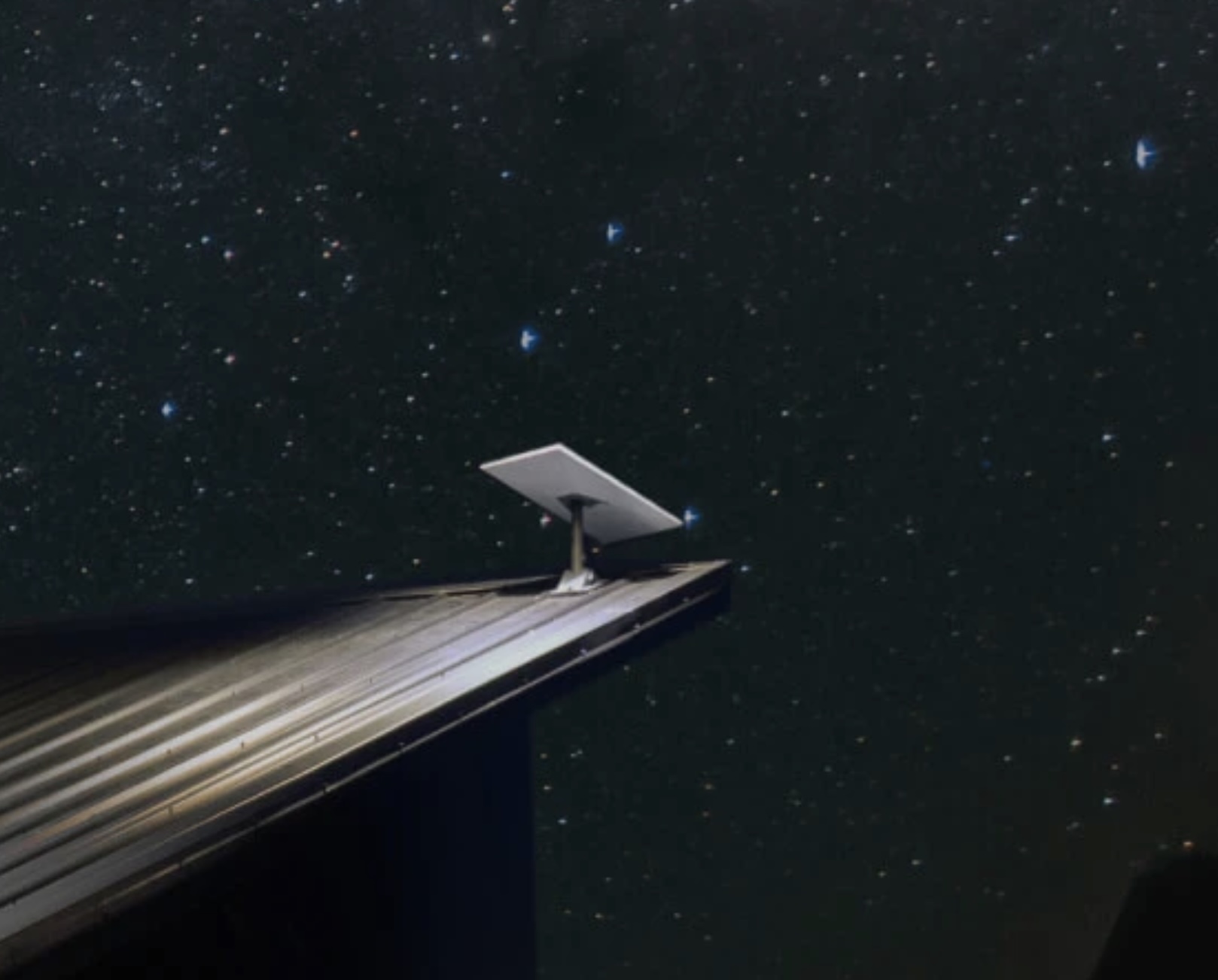
SpaceX achieved its 100th Starlink mission of the year on Friday, October 31, marking another milestone for 2025.
A Falcon 9 rocket carrying 28 Starlink broadband satellites successfully lifted off from Vandenberg Space Force Base in California at 4:41 p.m. ET, carrying another 28 Starlink satellites to Low Earth Orbit (LEO).
Falcon 9 booster’s 29th flight
Roughly 8.5 minutes after liftoff, the Falcon 9’s first stage touched down on the drone ship Of Course I Still Love You in the Pacific Ocean. This marked the booster’s 29th flight, which is approaching SpaceX’s reuse record of 31 missions.
This latest mission adds to SpaceX’s impressive 138 Falcon 9 launches in 2025, 99 of which were dedicated to Starlink, according to Space.com. The company’s focus on reusing boosters has enabled this breakneck pace, with multiple launches each week supporting both Starlink’s expansion and external customers.
Starlink’s network continues massive global expansion
Starlink remains the largest active satellite constellation in history, with more than 10,000 satellites launched, nearly 8,800 of which are currently active. SpaceX recently achieved Starlink’s 10,000-satellite milestone. With 100 Starlink missions completed for 2025, space enthusiasts have noted that SpaceX has successfully launched 2,554 Starlink satellites so far this year.
Starlink, which provides high-speed, low-latency internet connectivity even to the world’s most remote areas, has been proven to be life-changing technology for people across the globe. The service is currently operational in about 150 countries, and it currently has over 5 million subscribers worldwide. From this number, 2.7 million joined over the past year.
News
Tesla shares updated timeframe for Cybertruck FSD V14 release
The Cybertruck was expected to receive FSD V14 before the end of the month, but Tesla was not able to meet the target.
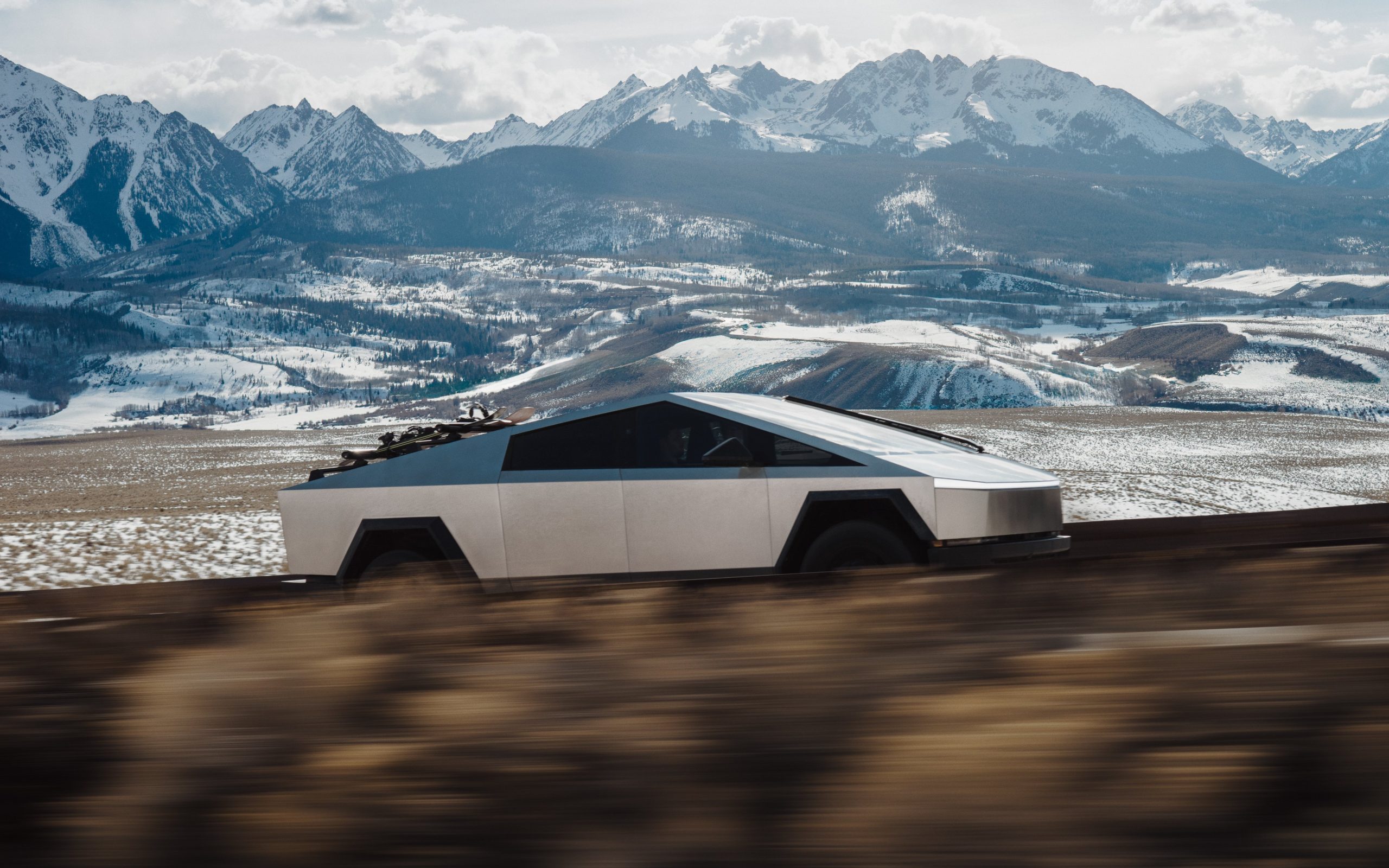
Tesla’s Full Self-Driving (FSD) V14 update for the Cybertruck could arrive this weekend, as per recent comments from Director of Autopilot Software and VP of AI Ashok Elluswamy.
The Cybertruck was expected to receive FSD V14 before the end of the month, but Tesla was not able to meet the target.
Cybertruck FSD V14
Considering the extended wait for FSD V14, it was no surprise that several Cybertruck owners were asking for updates about the system’s rollout to the all-electric pickup truck on Friday. These included the official Cybertruck X account, which responded to Elluswamy’s end of month estimate with “I only see trick. Where is my treat.”
This prompted a response from the AI executive, who replied with, “Sorry, pushing for early access Cyber release over the weekend.” This means that if all goes well, Cybertruck owners would be able to experience FSD V14 very soon. Some, however, are wondering if Tesla would go straight to V14.2 for the Cybertruck’s FSD V14 update, or if the vehicle will receive V14.1 first.
Tesla pushes to unify FSD experience across its lineup
The upcoming Cybertruck rollout represents the next step in Tesla’s efforts to roll out FSD capabilities across all of its vehicles. FSD V14 is a notable step forward for the company’s AI-driven self driving system, with features like Mad Max mode getting positive reviews from longtime Full Self Driving testers.
For the Cybertruck, the FSD V14 update would mark one of its first major over-the-air upgrades for the vehicle. Likely due to its size, the Cybertruck tends to receive FSD updates later than the S3XY lineup, which is quite surprising considering that the all-electric pickup truck is a premium-priced vehicle that is home to some of Tesla’s most advanced technologies.

Elon Musk just roasted Sam Altman’s Tesla Roadster cancellation

SpaceX successfully launches 100th Starlink mission of 2025

Tesla shares updated timeframe for Cybertruck FSD V14 release


-
 News2 weeks ago
Elon Musk confirms Tesla FSD V14.2 will see widespread rollout
-
 News2 weeks ago
Tesla might be doing away with a long-included feature with its vehicles
-
 News2 weeks ago
Tesla updates fans on its plans for the Roadster
-
 Elon Musk2 weeks ago
Elon Musk: Grok 5 now has a 10% chance of becoming world’s first AGI
-
 News2 weeks ago
Tesla is ramping up its hiring for the Cybercab production team
-
 News2 weeks ago
Multiple Tesla Cybercab units spotted at Giga Texas crash test facility
-
 Elon Musk2 weeks ago
Tesla will launch driverless rides in Las Vegas, but not where you think
-
 News2 weeks ago
Tesla rolled out a new feature with FSD v14 to fix a major complaint