
Elon Musk
Will Tesla thrive without the EV tax credit? Five reasons why they might
Here are five reasons Tesla might be in better shape without the tax credit being available.

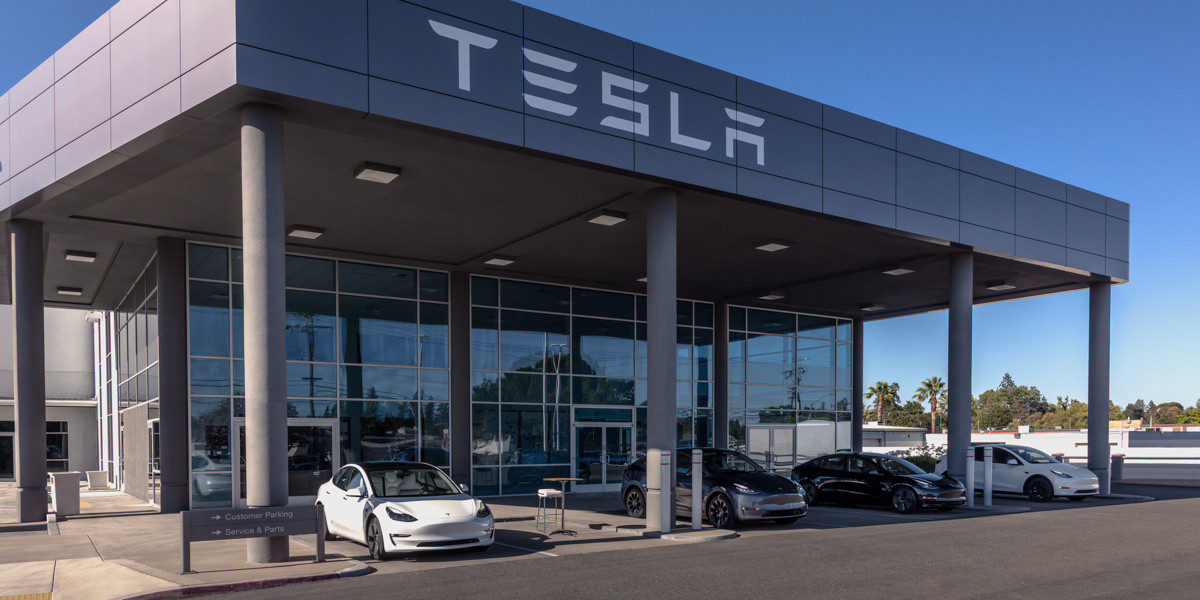
The $7,500 EV tax credit has officially expired, as it came to its closure at midnight on September 30. Many are wondering what will happen to the EV makers in the United States that had a huge competitive advantage over their competitors, a $7,500 discount that could be applied at the point of sale.
Tesla stands to thrive from the lack of tax credit, and although it is hard to believe, brighter days could be ahead for the company, starting with Q4, which began today.
Here are five reasons Tesla might be in better shape without the tax credit being available:
No Tax Credit Means Price Cuts
Tesla has to adjust its pricing strategy now that the $7,500 tax credit is gone, and when it lost the previous tax credit after reaching its cap in 2019, it used a more affordable model to surge sales. At the time, that more affordable model was the Model 3.
Tesla boosted deliveries by over 50 percent that year without any tax credit by simply offering a cheaper model. The credit, in a way, distorts the market, and companies, while attempting to innovate, are able to offer the discount with the help of the government.
Tesla price cuts push EV market toward affordability with broader influence
Companies will now have to weigh what they can discount their vehicles by to keep profits reasonable, but also stoke demand.
Ultimately, Tesla has the ability to use manufacturing and technological efficiencies to increase affordability. It has more control to fluctuate pricing, and price cuts could be on the way.
The Playing Field Becomes Fairer
Companies like Ford and General Motors have also reaped the benefits of the tax credit, but their situation is much different than Tesla’s.
Ford and GM are not profitable on their EV projects, so the EV tax credit has been relied upon to mask high production costs and dealer markups, which have widely impacted their demand. Ford is among the more popular brands that have dipped their toes into the EV market, but they have been forced to adjust their strategy on several occasions due to a lack of profits.
Tesla’s vehicles have been profitable for some time, and the company has been able to make money from its offerings faster. Cybertruck was profitable after just one year of production.
Tesla Cybertruck achieves positive gross margin for first time
Removing subsidies will expose the financial weaknesses of those domestic competitors, and we will likely see those companies scale back their EV efforts in the coming months and years. This will help Tesla more than having access to the tax credit would, which is something CEO Elon Musk has said for years:
First of all, Tesla hasn’t had that consumer tax credit for years & we didn’t ask for this one – GM & Ford did
— Elon Musk (@elonmusk) October 6, 2022
In my view, we should end all government subsidies, including those for EVs, oil and gas
— Elon Musk (@elonmusk) November 14, 2024
Tesla’s Maturity Shows and Investor Confidence Will Boost
Tesla was once dismissed as a subsidy-dependent startup, but that narrative truly died years ago, as it continued to perform well against competitors even after losing the tax credit.
Musk has said himself that the cancellation of these subsidies “will only help Tesla,” as it will highlight the company’s ability to be self-sufficient.
Elon Musk reiterates call for all subsidies on all industries to be removed
Using things like manufacturing efficiencies and vertical integration, Tesla has been less dependent than others on help to build its cars. If anything, investors will likely see the next few months as a make-or-break period for companies building EVs.
Subsidies Sometimes Can Inhibit True Innovation
Some companies can tend to become complacent when government subsidies are offered on their products. Instead of making things better and trying to find new ways to make cars more affordable, some can lean on the help they’re getting.
After subsidies ended for Tesla in 2019, the company achieved two major breakthroughs: the Cybertruck and its energy storage projects scaled to gigawatt-hours. The argument is not that Tesla becomes complacent with the tax credits, but the company is going to feel more pressure to fight for innovation now that its back is up against the wall.
It already offers a better product from a tech standpoint, so affordability could truly be the next major change we see.
Affordable Models Will Be Even More Sought After
Tesla will launch its affordable models this quarter, and with no more tax credit to lean on, these new cars will be what many consumers go for.
If Tesla can launch a model that is close to $30,000 without a tax credit, the company stands to regain a significant portion of its market share from competitors that have eroded it over the past few years. This will undercut the vast majority of electric cars that are currently offered.
- 2025 Nissan Leaf S Trim – $28,140
- 2025 Fiat 500e Base Trim – $32,500
- 2025 Chevrolet Equinox EV – $33,600
Those are the three most affordable EVs available in the U.S. right now, and those prices are without the EV tax credit. If Tesla can get close to $30,000, it will truly make a mark and there might not be all that much of a change in its yearly delivery figures.





Elon Musk
Elon Musk just roasted Sam Altman’s Tesla Roadster cancellation
“And you forgot to mention act 4, where this issue was fixed and you received a refund within 24 hours.
But that is in your nature.”
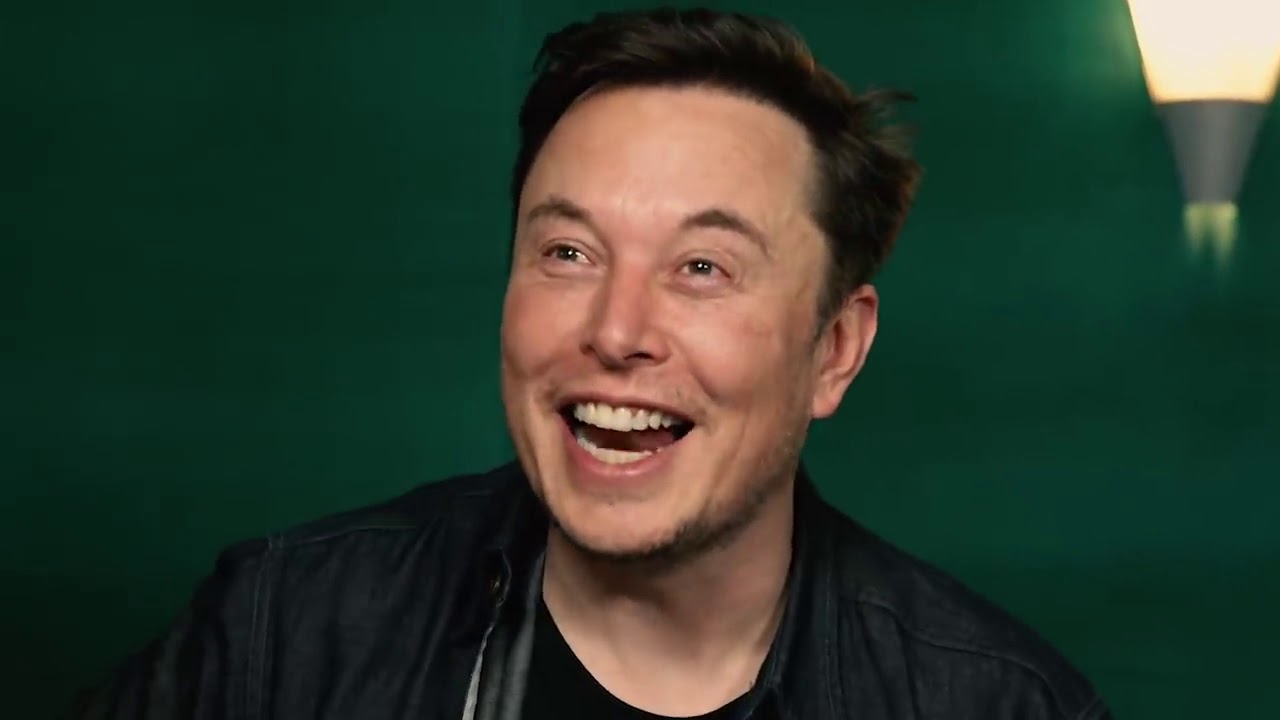
Elon Musk has responded to OpenAI CEO Sam Altman’s decision to cancel his Tesla Roadster reservation, which he revealed on X on Thursday.
We reported on Altman’s decision, which he called “A tale in three acts,” showing his confirmation email from Tesla back in 2018, an email requesting his $50,000 deposit back after canceling his order, and a notification from Google that the email he sent was not delivered.
A tale in three acts: pic.twitter.com/ClRZBgT24g
— Sam Altman (@sama) October 30, 2025
Musk did not take too kindly to the post from his tech rival, first referencing his position with OpenAI, and then confirming that Altman received his reservation deposit back within 24 hours:
And you forgot to mention act 4, where this issue was fixed and you received a refund within 24 hours.
But that is in your nature.
— Elon Musk (@elonmusk) November 1, 2025
OpenAI was started by Musk, Altman, and others back in 2015, and was geared toward being a non-profit company that would develop safe artificial intelligence that would be accessible to people.
However, Musk and Altman did not agree on the future of the company. Musk left, and Altman turned OpenAI into a for-profit company. This led to a variety of lawsuits and some very public spats between the two. Musk has called out Altman for turning the company into a for-profit, which has been his main source of criticism for his former colleague.
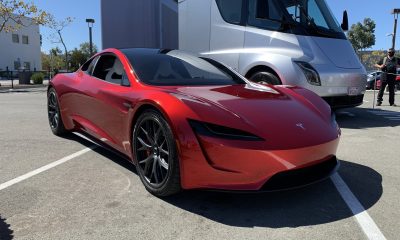
The Roadster has been hanging in the balance of Tesla’s manufacturing plans for seven years, but the company has made more indications that it will be unveiled later this year and will have some insane technologies.
Musk said on Friday in an episode of the Joe Rogan Experience Podcast that Tesla is “getting close to demonstrating the prototype.”
He said:
“Whether it’s good or bad, it will be unforgettable. My friend Peter Thiel once reflected that the future was supposed to have flying cars, but we don’t have flying cars. I think if Peter wants a flying car, he should be able to buy one…I think it has a shot at being the most memorable product unveil ever. [It will be unveiled] hopefully before the end of the year. You know, we need to make sure that it works. This is some crazy technology in this car. Let’s just put it this way: if you took all the James Bond cars and combined them, it’s crazier than that.”
Musk hinted that the vehicle could fly and would have “crazy technology” that would put James Bond’s vehicles to shame. It will be interesting to see what Tesla will unveil when the event happens and if it can come through on this mind-blowing teaser.
Elon Musk
Tesla to ramp to 500 Robotaxis in Austin, 1,000 in Bay Area, by end of 2025: Musk
This was, at least, as per recent comments from CEO Elon Musk during his appearance on the All-In podcast.

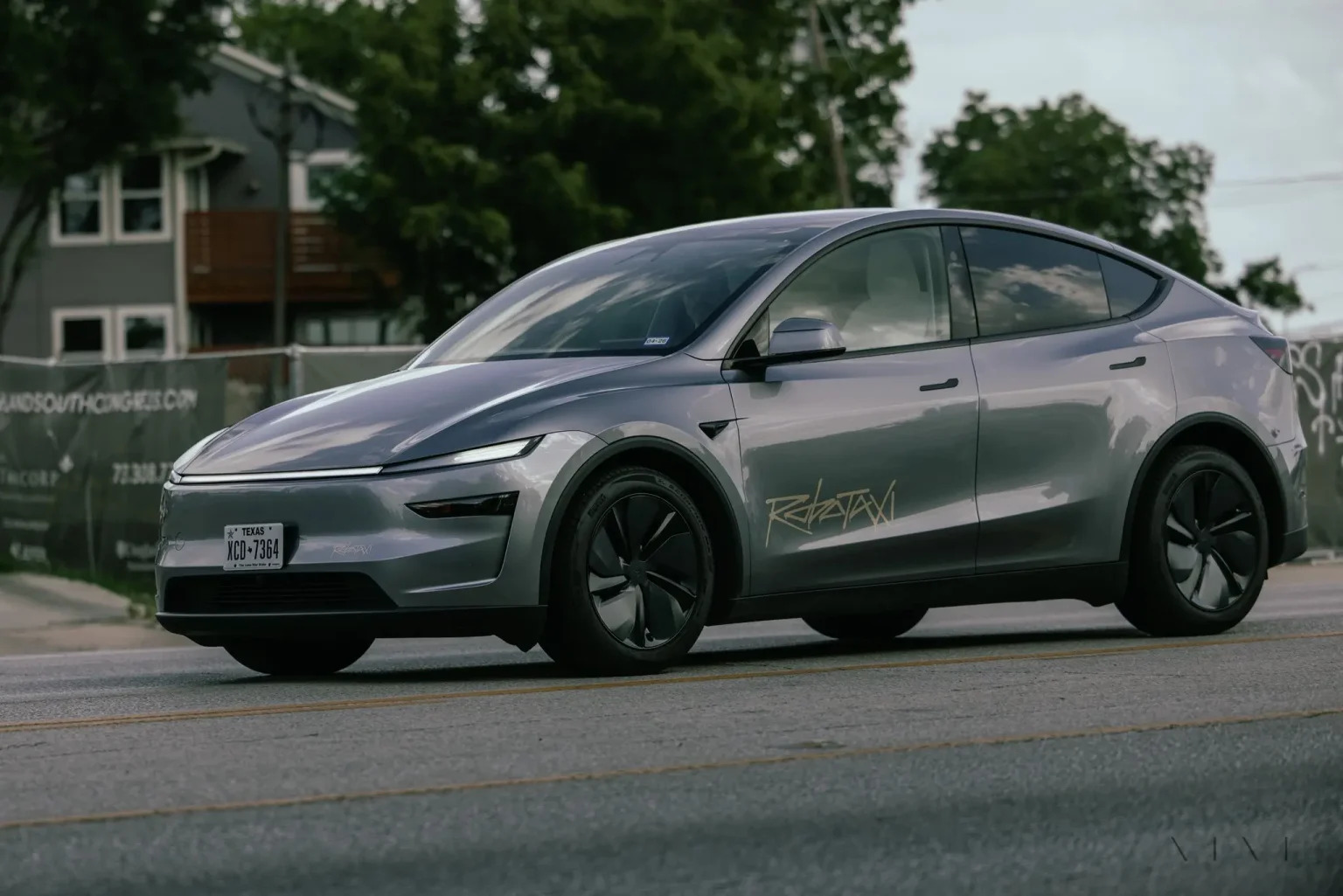
Tesla’s Robotaxi pilot is still in its early stages, but it seems like the program in Austin and the Bay Area will see a notable update soon. This was, at least, as per recent comments from CEO Elon Musk during his appearance on the All-In podcast.
Robotaxi expansion
While discussing Tesla’s Robotaxi ambitions, Elon Musk shared some tidbits about the company’s targets for the autonomous ride-hailing program. As per Musk, Tesla is pushing to increase its Robotaxi fleet size in Austin to 500 units. The Robotaxi fleet in the Bay Area will also be increased to 1,000 units. These expansions are expected to be accomplished by the end of the year.
“We’re scaling up the number of cars to, what happens if you have a thousand cars? Probably we’ll have a thousands cars or more in the Bay Area by the end of this year, probably 500 or more in the greater Austin area,” Musk said in the podcast.
Considering that there are only two months left in the fourth quarter of 2025, Tesla’s Robotaxi team will likely be extremely busy during the next eight weeks. A successful expansion of the Robotaxi pilot in Austin and the Bay Area will also bode well for the company’s ride-hailing program, which has been pretty conservative as of late.
Musk’s Robotaxi comments
Elon Musk has been pretty clear in the past that Tesla’s FSD and Robotaxi network would play a huge role in the company’s future valuation and potential. Thus, during the third quarter earnings call, Musk highlighted that Tesla will also be transitioning to a system with no safety monitors in Austin by the end of the year.
“We are expecting to have no safety drivers in at least large parts of Austin by the end of this year. So within a few months, we expect to have no safety drivers at all in at least parts of Austin. We’re obviously being very cautious about the deployment,” Musk said during the Q3 2025 earnings call.
Elon Musk
Neuralink’s first patient could receive an upgrade: Elon Musk
Musk stated that Arbaugh could also be the first Neuralink patient to receive an upgrade.
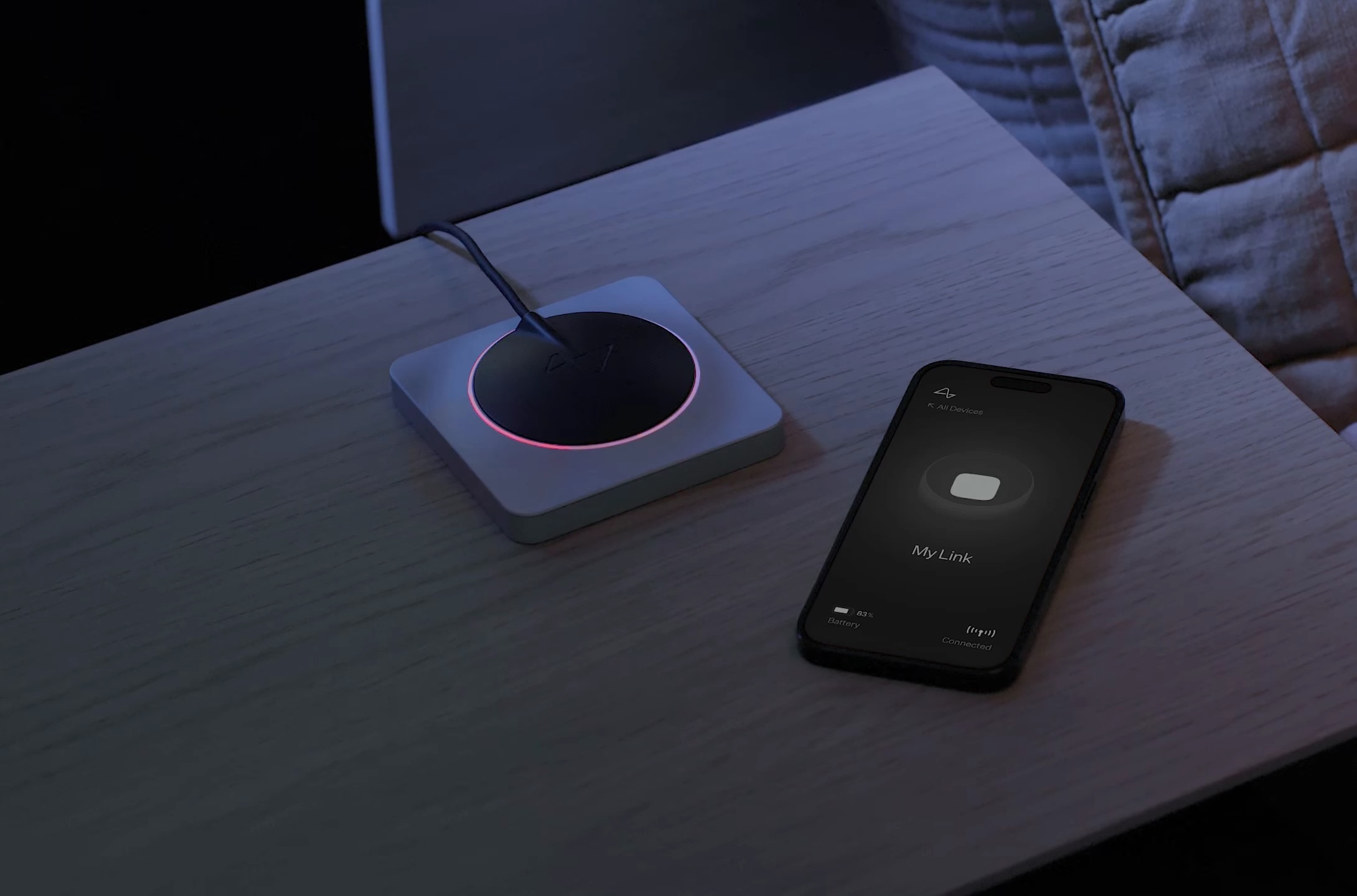
Neuralink’s first human patient might be in line for a very interesting development in the future.
Based on recent comments from Elon Musk, Neuralink seems to be considering an “upgrade” for its first human patient, allowing him to perform even more sophisticated tasks using only his mind.
Elon Musk’s recent comments
Musk’s update came as a reply to an X post that featured some details about the current activities of Noland Arbaugh, the first person in the world to receive a Neuralink implant. Since receiving his implant, Arbaugh has been able to take back his life, and he now games, attends class, and even works as a paid speaker.
In his response, Musk stated that Arbaugh could also be the first Neuralink patient to receive an upgrade. “Noland might be the first to receive a Neuralink upgrade and/or dual Neuralink implant to further augment his abilities. It won’t be long before a Neuralink recipient can beat most and eventually all humans at fast reaction video games,” Musk wrote in a post on X.
Noland’s recent update
Noland actually provided a quick update about his life with his Neuralink implant, which he fondly named Eve, on X. He noted that his direct involvement with Neuralink has lessened as more participants have joined the company’s human trials. And despite a recent pressure sore setback, he remains optimistic and teased “big news” coming for his two-year update in early 2026.
Beyond his recovery, Arbaugh stated that Neuralink has made everyday goals achievable again. He is currently studying neuroscience, taking chemistry, biology, and pre-calculus and maintaining good grades, something he said would have been impossible without Neuralink.

Elon Musk just roasted Sam Altman’s Tesla Roadster cancellation

SpaceX successfully launches 100th Starlink mission of 2025

Tesla shares updated timeframe for Cybertruck FSD V14 release


-
 News2 weeks ago
Elon Musk confirms Tesla FSD V14.2 will see widespread rollout
-
 News2 weeks ago
Tesla might be doing away with a long-included feature with its vehicles
-
 News2 weeks ago
Tesla updates fans on its plans for the Roadster
-
 Elon Musk2 weeks ago
Elon Musk: Grok 5 now has a 10% chance of becoming world’s first AGI
-
 News2 weeks ago
Tesla is ramping up its hiring for the Cybercab production team
-
 News2 weeks ago
Multiple Tesla Cybercab units spotted at Giga Texas crash test facility
-
 Elon Musk2 weeks ago
Tesla will launch driverless rides in Las Vegas, but not where you think
-
 News2 weeks ago
Tesla rolled out a new feature with FSD v14 to fix a major complaint